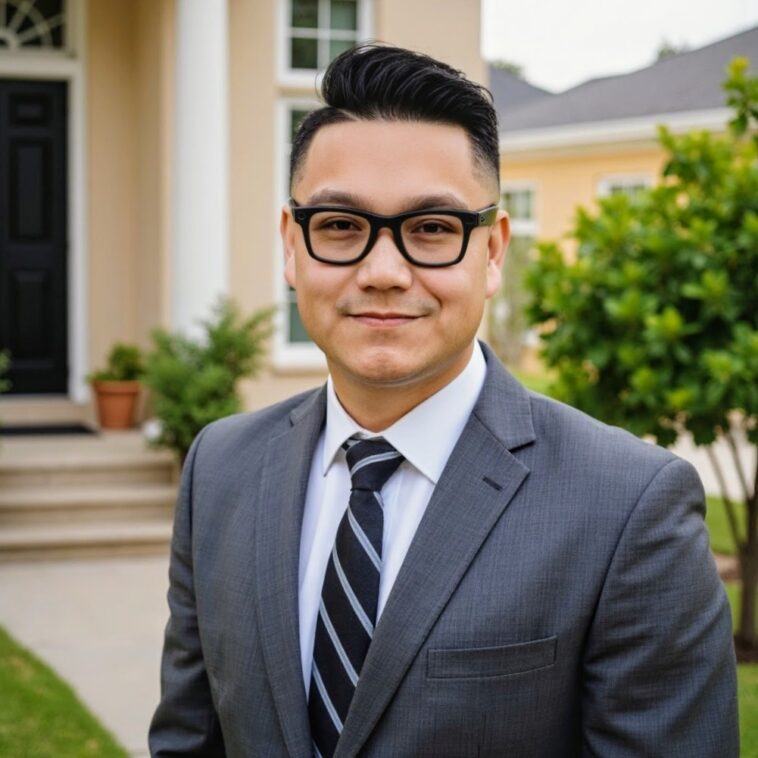
Aiden Huynh closed over 20 transactions in his first year with Michigan Top Producers by prioritizing client education and transparent property assessment over commission-driven urgency.
Origin story or context
As online platforms make property data increasingly accessible, many homebuyers question whether real estate agents provide value beyond door opening. Industry statistics show approximately 75 percent of new realtors close fewer than five deals in their first year, with high attrition rates reflecting intense competition and market skepticism about agent necessity.
Aiden Huynh entered the real estate industry with Michigan Top Producers recognizing this credibility challenge. He observed agents prioritizing quick closings over client interests, treating properties as commodities rather than significant financial decisions. Huynh built his practice on a different premise: demonstrating value through transparent assessment and client advocacy regardless of transaction size.
Product or approach
Huynh’s methodology centers on thorough property evaluation before clients make offers. He walks through homes methodically, identifying potential flaws, necessary repairs, and structural concerns during showings rather than remaining silent when clients express interest. This approach ensures buyers understand complete property conditions, not just favorable features.
Huynh notes this transparency-focused method resonates with both buyers and sellers. Huynh provides honest assessment of property values, needed investments, and realistic expectations throughout transactions. He maintains this standard across all price points, treating $50,000 starter homes with the same attention as higher-value properties.
The strategy assumes that educated clients make better decisions and become long-term referral sources as they build equity and eventually upgrade properties.
Challenges and how they were solved
Passing the licensing exam represented only the initial hurdle. Huynh describes his first year as intensive learning covering contract documents, negotiation strategies, and client communication under pressure. The real estate industry’s high attrition rates reflect these challenges, with experienced brokers commonly noting that half of new agents leave within a year.
Huynh addressed this critical period by treating each transaction as an educational opportunity rather than chasing volume, according to Huynh. He focused on expanding knowledge and expertise, understanding that competency would eventually drive results more effectively than aggressive pursuit of deal quantity.
The approach required patience during slower periods but built the foundation for sustainable practice rather than short-term production.
What sets the brand apart
Huynh differentiates himself by refusing to adjust service quality based on commission size. Whether working on modest starter homes or higher-value properties, he maintains consistent attention and advocacy levels. This philosophy stems from a long-term perspective: first-time buyers purchasing modest properties may return years later for larger investments as wealth grows.
He views transactions as relationship building rather than isolated deals, helping clients build equity and generational wealth regardless of current financial position. This approach has generated a referral base extending beyond individual transactions, Huynh notes.
Growth plan or vision
Over the next two to five years, Huynh plans to obtain his broker license and build a team. His vision includes training new agents in client-first principles that guided his early career, according to Huynh. Rather than focusing solely on personal production, he aims to create a model where transparency and advocacy become standard practice across his future brokerage.
The strategy reflects belief that the industry needs structural change beyond individual success stories. Huynh intends to influence how real estate services are delivered in his market by building a team grounded in these values, Huynh states.
What to watch next
Huynh’s second year will test whether his approach scales beyond the initial relationship-building phase. Maintaining personalized service as transaction volume increases presents challenges, as does effectively translating principles when training others. Whether his transparency-focused methodology produces consistent results at higher volumes remains to be determined.
The broker license timeline and team assembly will indicate whether the model extends successfully from individual practice to scalable operation.