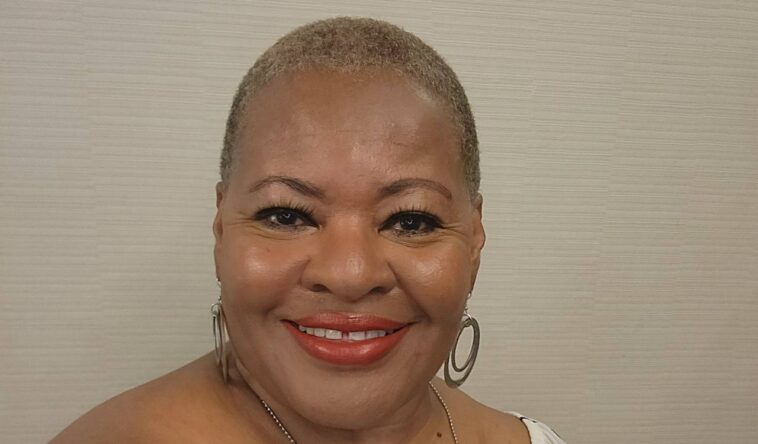
Miss Freddye, Pittsburgh’s reigning blues matriarch, carries the soul of the genre like a well-worn Bible—close to the heart, sacred, and weathered by experience. For over 20 years, she’s been a cornerstone of the Western Pennsylvania blues scene, a gritty, gospel-steeped voice that channels the spirits of Koko Taylor, Big Mama Thornton, and Etta James with every raw, heart-rending note.
In 2024, Miss Freddye didn’t just make noise—she made purpose. She dropped a series of singles that weren’t just musical releases; they were affirmations of identity, style, and spirit. “I did the releases on purpose,” she tells us. “I wanted fans to hear the different styles I love to sing. It wasn’t just about putting music out—it was about showing the range of what I can do and what the blues can be.”
Among those releases, one stands out: Slippin’ Away. It’s a slow-burning, haunting ballad penned by her late friend Michael Lyzenga, whose writing struck a deep chord in her soul. “Michael wrote from the heart. His songs had meaning, cause and effect,” she reflects. “This one, it’s personal. I feel every word of it when I sing it.” It’s no surprise that the song has become a fan favorite, showcasing Miss Freddye’s ability to turn pain into poetry and melody.
But Miss Freddye’s story starts long before 2024. Like many blueswomen before her, she found herself in music, piece by piece. A nurse by profession, she’s also a healer by nature, whether on the hospital floor or on stage. Her earliest gigs were a grind—booking her own shows, walking into clubs uninvited, singing a cappella to prove herself. “I’d go around to venues and sing ‘At Last’ without a band,” she recalls. “That’s how I got in the door.”
Those early years were marked by hustle and heartbreak. “The hardest part was finding musicians who didn’t try to change me,” she says. “Keeping a band together? That’s a whole other blues song.” Still, she stuck with it, slowly building a band, a following, and a voice that’s become synonymous with authenticity and staying power.
Her sound is unmistakable—gravel-edged yet gospel-sweet, with the phrasing of a seasoned storyteller and the command of a revival preacher. Her performances, often fueled by laughter, sweat, and call-and-response, transform blues clubs into sanctuaries. And even after two decades, she still gets nervous. “I have stage fright,” she laughs. “Not as bad as it used to be, but it’s still there. I had to learn to push through, because the music’s bigger than me. It’s about the people who come out, the ones who need to feel something real.”
One of the most powerful moments in her career came during a performance at a local children’s hospital. She noticed a young girl and her weary parents, their energy dimmed by circumstance. “I started singing I Can See Clearly Now, and that little girl just lit up,” she says. “We sang the chorus together. Her parents clapped and sang, too. That’s what the blues is about—lifting people up when they need it most.”
Now, even as she looks toward the future, Miss Freddye shows no signs of slowing down. She’s applied to barber school, proving that reinvention is always within reach. She’s working on new music and dreaming of taking her sound overseas. “Europe’s calling,” she smiles. “I’ve got more stories to tell, more people to sing to.”
For aspiring blues artists, she offers no sugarcoating—only truth. “This life ain’t easy,” she says. “You gotta be sure this is what you want. Once you know that, don’t ever sell yourself short. Surround yourself with folks who believe in the music like you do. And learn—learn the business, learn your craft, learn to play. And then play your heart out.”
Miss Freddye isn’t just singing the blues—she’s living them, honoring the tradition while writing her own chapter, one verse at a time. From Steel City to wherever the road leads next, her voice carries the legacy forward—with fire, feeling, and faith.
–James Novak