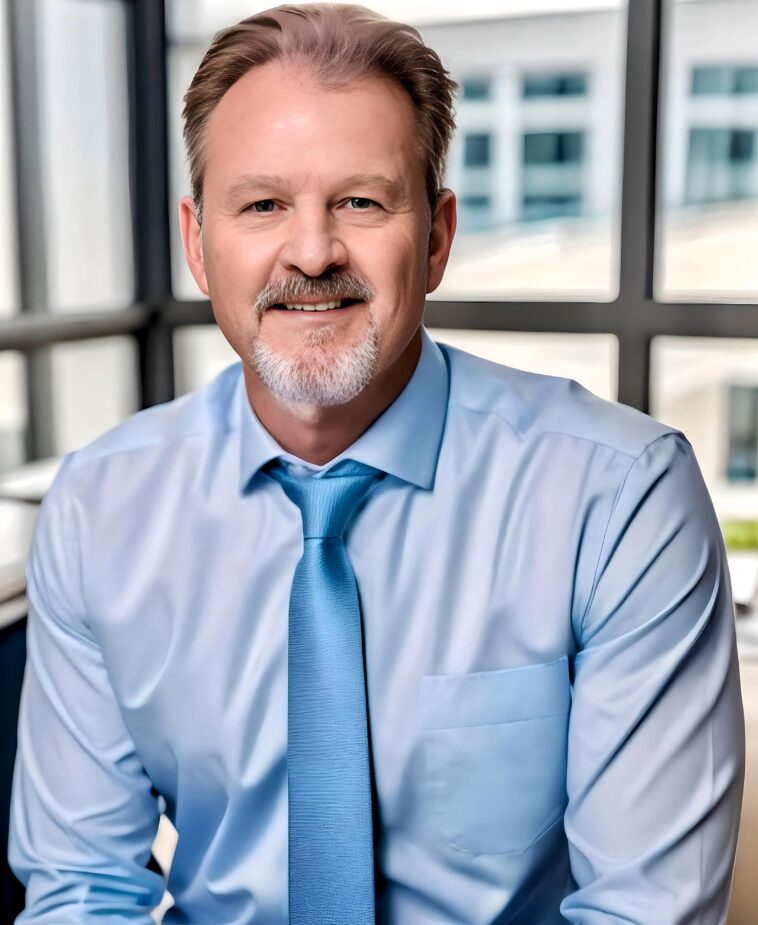
Duncan Brand’s Intrinsic Leader draws on experience across technology, healthcare, finance, utilities, aerospace, government, and philanthropy to identify universal talent management principles that apply across organizational contexts.
Origin story or context
Duncan Brand built his leadership consulting practice on insights gathered across seven distinct industries: technology, healthcare, finance, utilities, aerospace, government, and philanthropy. This range provides a comparative perspective on which talent management approaches work universally and which require customization based on organizational context.
Brand founded Intrinsic Leader to apply these cross-industry insights to leadership development. His consulting practice operates on the premise that while industries have different operational requirements, fundamental principles of integrated talent systems apply universally. Whether working with technology startups or government agencies, connecting leadership development to hiring, succession planning, and performance management produces better outcomes than isolated training programs, according to the company.
His career includes managing talent during significant crises, including work at the Federal Reserve Bank during the 2008 financial crisis and at a healthcare organization during the COVID-19 pandemic. These high-pressure environments demonstrated how talent systems perform under stress across different sectors.
Product or approach
Intrinsic Leader’s methodology emphasizes integrated talent systems where leadership development connects to hiring, succession planning, and performance management. The company reports Brand has trained over 5,000 leaders and managers globally, with a client base spanning multiple sectors that allow him to test his integrated approach in different organizational contexts.
Brand examines how talent functions interconnect within each organization and identifies where systems fail to align. His cross-industry experience provides examples of successful integration that he adapts to new client contexts while maintaining core principles, according to the company.
His current work focuses on establishing what he describes as a “talent mindset” at C-Level and cascading it throughout organizations. The “people first, employee second” framework distinguishes between treating workers as human beings versus job functions, applying this perspective across industries from finance to healthcare to government.
Challenges and how they were solved
A consistent challenge across all industries has been establishing Human Resources as strategic business partner rather than administrative function. Brand encountered this perception problem in technology companies, financial institutions, healthcare systems, and government agencies where HR is often viewed as supporting operations rather than driving competitive advantage.
Brand addresses this by building metric-driven business cases demonstrating how talent investments affect organizational performance, the company reports. He uses examples from diverse industry experience to show executives what results integrated talent systems produce across different sectors. This data-driven approach has proven effective regardless of industry context.
While Brand’s core principles apply universally, he adapts implementation to industry context. Technology companies face different talent challenges than healthcare systems, and government agencies operate under different constraints than private sector firms. Brand’s cross-industry experience allows customization while maintaining core principles, according to the company.
What sets the brand apart
Brand’s differentiation stems from his ability to identify patterns across different industries. While each sector has unique characteristics, he has observed that disconnected talent systems produce similar problems regardless of industry: organizations treating leadership development as separate from hiring, succession planning failing to connect with development opportunities, and performance management systems contradicting stated development priorities.
The breadth of experience spanning seven sectors strengthens credibility when proposing talent system changes to new clients. Brand can provide concrete examples of successful integration across diverse organizational contexts, demonstrating that fundamental principles work universally despite sector-specific differences, the company says.
Growth plan or vision
Over the next two to five years, Brand focuses on working with executives to establish talent mindset at C-Level and cascading it throughout organizations across different industries, according to the company. The vision involves embedding people-first perspective in organizational policies, processes, and daily leadership behaviors regardless of sector.
While core principles remain consistent, Brand continues adapting implementation to industry-specific contexts. The cross-industry experience provides a foundation for customization that maintains integrated talent system principles while addressing sector-specific challenges and constraints.
What to watch next
Brand’s ability to demonstrate that universal talent principles work across diverse industries will determine broader adoption of his methodology. Whether his integrated approach scales effectively across organizations with vastly different operational requirements remains to be tested at larger scale.
Success depends on documenting measurable outcomes across multiple sectors that convince executives to invest in comprehensive talent systems rather than isolated programs. The cross-industry applicability provides advantage, but sustained commitment to restructuring disconnected processes varies significantly across sectors.
Duncan Brand’s Intrinsic Leader applies experience across seven industries: technology, healthcare, finance, utilities, aerospace, government, and philanthropy to integrated talent development systems. The company reports Brand has trained 5,000 leaders globally while identifying universal principles that connect leadership development with hiring, succession planning, and performance management across organizational contexts. Current work emphasizes establishing executive-level talent mindsets adapted to sector-specific requirements while maintaining core integration principles.