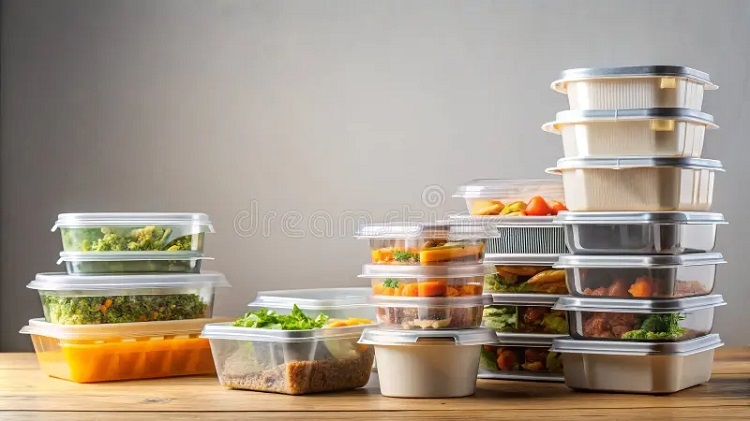
Every plastic food container in your kitchen cupboard represents a triumph of human ingenuity over the ancient problem of food preservation, yet few people understand the remarkable molecular choreography occurring within these seemingly ordinary vessels. Like the discovery of antibiotics or the unravelling of genetic codes, the development of food-grade polymers has fundamentally altered our relationship with nutrition and storage. Behind each transparent wall lies a universe of engineered molecules, carefully designed to protect our sustenance whilst navigating the treacherous waters of chemical safety.
The Cellular Biology of Polymer Design
Understanding plastic food storage container requires appreciating the extraordinary precision with which chemists have learned to manipulate molecular architecture. Each polymer chain resembles a biological macromolecule, with repeating units arranged in specific patterns that determine the container’s properties. Like the difference between healthy and cancerous cells, the arrangement of these molecular building blocks determines whether a container will protect or potentially harm its contents.
The selection of specific polymer types for food contact applications mirrors the way pharmaceutical researchers choose drug compounds. Polyethylene terephthalate serves as the molecular equivalent of a broad-spectrum antibiotic, safe for most applications but with specific limitations. High-density polyethylene functions like a targeted therapy, excelling in particular circumstances whilst remaining unsuitable for others.
The Immunology of Food Safety Regulation
Singapore’s approach to plastic container safety operates like a sophisticated immune system, with multiple layers of defence protecting consumers from potential molecular threats. The regulatory framework recognises that “all packaging materials used for food products must be safe, non-toxic, and suitable for their intended purpose,” establishing a baseline defence mechanism against chemical migration.
This protective system functions through several interconnected mechanisms:
• Primary screening through comprehensive pre-market testing
• Continuous surveillance via regular safety assessments
• Rapid response protocols for emerging threats
• Consumer education to prevent misuse-related complications
The Singapore Food Agency emphasises this protective approach, noting that “Food contact articles that are imported, used, or sold in Singapore should not release harmful substances into food.” This principle reflects an understanding that prevention remains superior to treatment in the realm of food safety.
The Pathophysiology of Chemical Migration
At the molecular level, plastic containers engage in constant chemical conversations with their contents. These interactions resemble the complex signalling pathways within living cells, where molecules move across membranes in response to environmental stimuli. Temperature acts as a catalyst, accelerating these molecular exchanges much like fever accelerates metabolic processes in the human body.
Singapore’s regulatory authorities understand this dynamic relationship, with officials stating that “The Singapore Food Agency (SFA) tests food contact articles, including plastic food containers, regularly to ensure that harmful substances do not migrate into food.” This monitoring approach recognises that safety is not a static property but a dynamic equilibrium requiring constant vigilance.
The Oncology of Container Degradation
Like cancer, container degradation often begins at the molecular level, invisible to casual observation until damage becomes extensive. Microscopic scratches, chemical stress fractures, and polymer chain breakdown create pathways for unwanted molecular migration. The tragedy of plastic container misuse lies in its silent progression, often undetected until chemical contamination has already occurred.
The Sale of Food Act addresses this concern by restricting containers that contain more than 1 ppm of vinyl chloride monomer or any carcinogenic, mutagenic, or teratogenic compounds. These limits reflect decades of research into the dose-response relationships between chemical exposure and human health, establishing therapeutic windows within which plastic containers remain beneficial rather than harmful.
The Pharmacology of Proper Usage
Selecting appropriate plastic food container requires the same diagnostic precision that guides medication prescribing. Each storage scenario demands careful consideration of multiple variables: food chemistry, storage duration, temperature exposure, and container compatibility. This approach prevents the molecular equivalent of adverse drug interactions.
Singapore’s food safety guidelines emphasise this principle, stating that “Takeaway plastic food containers are specifically designed for one-time use and should therefore not be reused for storing or reheating food.” This guidance reflects an understanding that each container type possesses specific therapeutic indices beyond which safety cannot be guaranteed.
Critical usage parameters include:
• Matching container thermal limits to intended applications
• Understanding pH compatibility for acidic foods
• Recognising degradation signs requiring container replacement
• Implementing proper cleaning protocols to maintain container integrity
The Genetics of Innovation
The future of plastic container technology resembles the personalised medicine revolution, with researchers developing containers tailored to specific food preservation challenges. Smart polymers that respond to environmental changes, biodegradable materials that decompose safely, and antimicrobial surfaces represent the next generation of food storage solutions.
Singapore’s regulatory environment encourages such innovation, with authorities noting that packaging suppliers are “increasingly adopting technologies such as antimicrobial coatings, biodegradable plastics, and smart packaging with freshness indicators.” These developments reflect a maturation of polymer science, moving beyond simple containment towards active food protection.
The Epidemiology of Global Adoption
The worldwide embrace of plastic containers has created an unprecedented natural experiment in food safety, generating vast datasets about human-polymer interactions. This epidemiological treasure trove informs both regulatory decisions and technological improvements, much like how clinical trials guide pharmaceutical development.
The Therapeutic Alliance of Consumer and Container
The relationship between consumers and plastic containers requires mutual respect and understanding. These vessels have democratised food preservation, enabling global food distribution and reducing nutritional inequality. Yet like any powerful medical intervention, they demand informed usage and careful monitoring.
Success lies not in abandoning these molecular marvels but in developing the same literacy we expect for prescription medications. By understanding polymer science, respecting regulatory guidance, and choosing containers with the precision of a clinician selecting treatments, we transform these humble vessels into allies in our quest for nutritional health. Ultimately, the story of food storage becomes inseparable from the larger narrative of human adaptation, reminding us that every plastic food container represents both our ingenuity and our responsibility.