Managing a commercial pool or water park is a huge responsibility. Families visit your facility expecting a fun, relaxing day in the sun, but as an operator, your top priority is keeping everyone safe. Water inherently presents risks, and without clear boundaries, a crowded pool deck can quickly turn chaotic. Whether you run a sprawling resort pool, a community splash pad, or a thrilling facility featuring a fast water slide, establishing a solid set of rules is the foundation of a successful operation.
Setting these guidelines involves much more than simply printing a list of restrictions and bolting it to a fence. You have to craft rules that are easy to understand, practical to enforce, and specifically tailored to the unique risks of your layout. If your rules are too vague, guests will find loopholes. If they are too complex, no one will read them. Here is a practical guide to creating and communicating water rules that protect your patrons while keeping the positive energy flowing all summer long.
Prioritize Clarity and Visibility
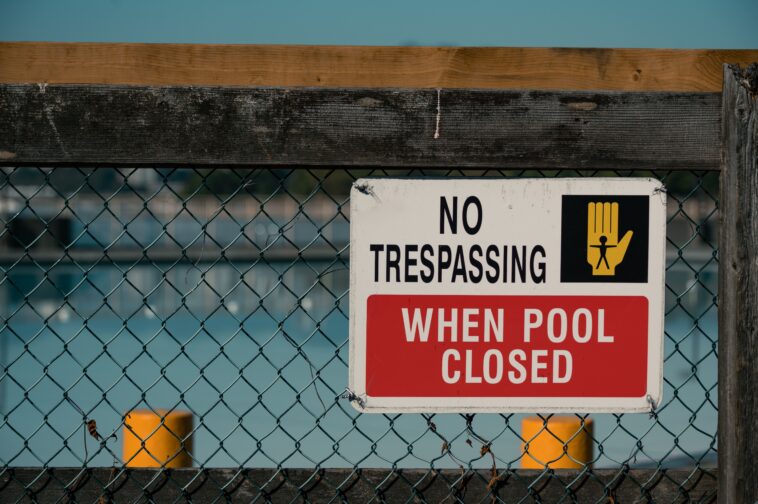
When guests arrive at your facility, they are usually excited and ready to jump right into the water. They aren’t going to stop and read a dense, multi-paragraph document. Your signage needs to be highly visible and incredibly easy to digest. Use short bullet points and straightforward language to get your point across quickly.
Instead of writing long, complicated sentences about the dangers of running on wet concrete, simply state that walking is required on the pool deck at all times. Use universally recognized symbols alongside the text to help young children and non-native speakers understand the boundaries. A single sign at the front gate just isn’t enough. Place signs at the entrance, near the restrooms, and directly next to the specific features they address. Repetition is key to keeping safety top of mind for your visitors.
Tailor Guidelines to Specific Features
A generic list of pool rules won’t cover the diverse attractions found in a modern commercial aquatic center. Different features require very different safety protocols. You need to break down your rules based on the specific zones within your facility to avoid confusion.
For instance, the deep end requires strict diving rules. You must clearly mark where diving is permitted and where it is strictly prohibited to prevent spinal injuries. If you have an aquatic ride, you need specific instructions regarding proper riding posture, such as going down feet first and waiting for the landing zone to clear before the next person begins their turn. Splash pads, while shallow, have their own unique risks, so you should emphasize no roughhousing or climbing on the spray features. By segmenting your rules, you remove ambiguity and help guests understand exactly how to use each part of your facility safely.
Establish Clear Supervision Requirements
One of the most common issues at commercial pools is parents treating the lifeguards like a babysitting service. Lifeguards are there to scan the water and respond to emergencies, not to discipline individual children or teach them how to swim. Your rules must clearly define the responsibility of the parents and guardians from the moment they walk through the gates.
State explicitly that children under a certain age must be accompanied by an adult at all times. For toddlers and weak swimmers, enforce a touch supervision rule, meaning the adult must stay within arm’s reach of the child while in the water. Establishing these expectations upfront prevents misunderstandings and ensures that parents remain actively engaged in watching their own kids.
Implement Strict Hygiene Standards
Safety isn’t just about preventing physical accidents; it is also about preventing the spread of recreational water illnesses. A commercial pool sees hundreds of visitors a day, which makes maintaining water quality a constant battle. Your ruleboard must address personal hygiene before guests even dip a toe in the water.
Require all patrons to rinse off in the showers before entering the pool to remove lotions, sweat, and dirt. This simple step helps your filtration system work much more efficiently. Additionally, implement strict rules regarding swim diapers for infants and toddlers. Standard diapers disintegrate in the water and create a biohazard. Make it clear that appropriate swim diapers are mandatory, and consider selling them at your front desk so parents have an easy solution if they forget to pack one.
Ban Dangerous Items From the Deck
What guests bring into your facility is just as important as how they behave. Certain items create immediate hazards in an aquatic environment. Glass is the most obvious example. A shattered glass bottle on a wet pool deck is a disaster waiting to happen, often requiring the entire pool to be drained to ensure no shards made it into the water.
Ban all glass containers, sharp objects, and oversized inflatable floats that can obstruct a lifeguard’s line of sight. If you allow outside food and drinks, designate a specific eating area away from the water’s edge to keep the deck clean and minimize the risk of slipping on spilled snacks.
Empower Your Staff to Enforce the Rules
The most well-written rules are entirely useless if your staff doesn’t enforce them consistently. Lifeguards and pool attendants often feel hesitant to correct the behavior of adult guests, fearing a confrontation. You have to train your team on how to communicate with rule-breakers politely but firmly.
Provide your staff with specific scripts and protocols for handling uncooperative guests. They need to know that management will back them up if they have to ask a patron to leave the premises for repeated safety violations. When guests see that the rules are applied fairly and consistently to everyone, they are much more likely to respect the boundaries and follow the guidelines themselves.
Creating a safe environment doesn’t mean you have to drain the fun out of your facility. By establishing clear, specific, and enforceable rules, you create a structured environment where everyone can relax and enjoy their day. Take the time to review your current signage, update your guidelines to match your specific attractions, and ensure your team is ready to hold the line. A proactive approach to safety is the best way to ensure your guests leave with great memories and a desire to return.