
Most small businesses do not audit their processor because the statement looks like a foreign language. With one hour and a calculator, that excuse falls apart. Here is the workflow.
Pull three months of statements. Three months smooths out one-off chargebacks and seasonal mix. If you cannot pull statements through a portal, that is a finding by itself. Vendors who hide their statements behind a phone call are signaling something.
Compute your effective rate. Add total fees across the three months. Divide by total processed volume. The number you get is the price of accepting cards, in plain English. Anything above three percent on a standard card mix deserves a follow-up question.
Categorize the line items. Three buckets do most of the work. Interchange, which the card networks set. Assessments, which Visa and Mastercard set. Processor markup, which is what the processor keeps. The last bucket is the one to scrutinize. Everything in there is a vendor decision, not a network rule.
Look for hidden recurring fees. PCI compliance, statement fees, gateway fees, network access fees, batch header fees. They tend to be small individually. They tend to add up.
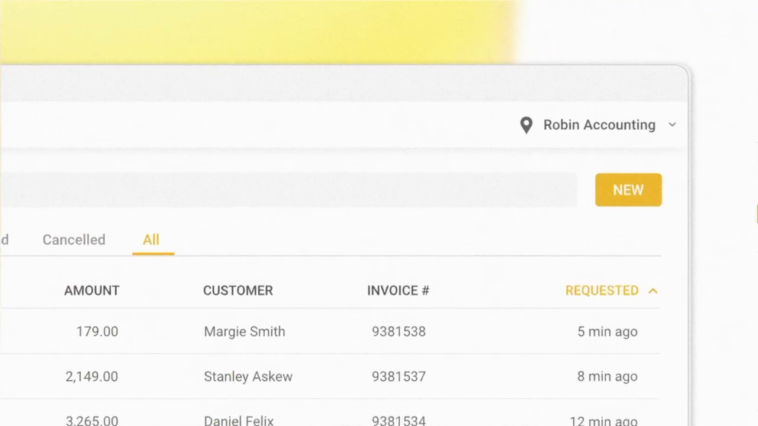
Map the workflow. How does a payment make it from a customer’s card to your accounting ledger. If the answer involves a manual export, you have a labor cost on top of the processor fee. Newer platforms remove the export step. LastPay, co-founded by Austin Diaz and Max Umlas, syncs payments into QuickBooks in real time so reconciliation does not need a human in the loop.
Run the comparison. Send your statements to two competing providers and ask for a like-for-like quote. Read what they include. The fastest way to spot a strong vendor is to look at how they explain the spread. A vendor who can defend their pricing line by line is the vendor worth keeping.
Make the call. If the new quote saves you more than a thousand a month, the audit has paid for itself many times over. If it does not, the existing vendor earned the renewal. Either way, you spent an hour and you are not guessing anymore.
A few patterns show up over and over in audits. Statements with line items named Network Access, Quarterly PCI, or Compliance Recovery often hide twenty to forty basis points of unexplained markup. Tier pricing, where every transaction sorts into qualified, mid-qualified, or non-qualified buckets, almost always conceals a higher effective rate than the headline number suggests. Vendors who only release statements through a phone call, rather than a portal, tend to charge more than vendors who put the data online.
The most expensive trap is inertia. The vendor that has been billing for a decade is the vendor who has had ten years to widen the spread. Every renewal that happened on autopilot is a chance the spread grew. The audit is the moment that pattern stops compounding.
After the audit, owners ask the same follow-up question. What do I do with the savings. The right answer depends on the business. The wrong answer is to leave the money in the operating account and let it disappear into general spend. Owners who treat audit savings as a windfall and route them to a specific use, a hire, an equipment upgrade, a marketing test, tend to compound the value of the audit. Owners who let the savings melt into the cost base never feel them.
One last point. The audit is a habit, not a project. Owners who run it once and never again tend to lose the savings to vendor drift over the next five years. Owners who run it once a year keep the savings in place. The hour stays the same. The compounding does the rest.
Owners who run this audit annually rarely overpay for long. Owners who never run it tend to find a five-figure surprise the day they finally do.
For a closer look at the platform, watch How To Send Quick Invoices Using LastPay on the LastPay YouTube channel.

