Post-Traumatic Stress Disorder (PTSD) affects millions of people worldwide, from military veterans to survivors of traumatic accidents, abuse, or natural disasters. Living with PTSD often involves recurring flashbacks, anxiety, sleep disturbances, and an overwhelming sense of hypervigilance. Traditional treatments like therapy and prescription medications can help, but not all patients experience relief. As a result, many are exploring alternative therapies, with cannabis gaining increasing attention for its potential to ease PTSD symptoms.
Cannabis has long been used for medicinal purposes, and recent studies have begun to explore its impact on mental health conditions, including PTSD. The plant contains compounds called cannabinoids, the most well-known being THC (tetrahydrocannabinol) and CBD (cannabidiol). These compounds interact with the body’s endocannabinoid system, which plays a role in regulating mood, sleep, and emotional responses. By influencing this system, cannabis may help reduce anxiety, improve sleep, and decrease the intensity of traumatic memories. For many PTSD sufferers, better sleep alone can significantly improve overall quality of life, as insomnia and nightmares are common challenges.
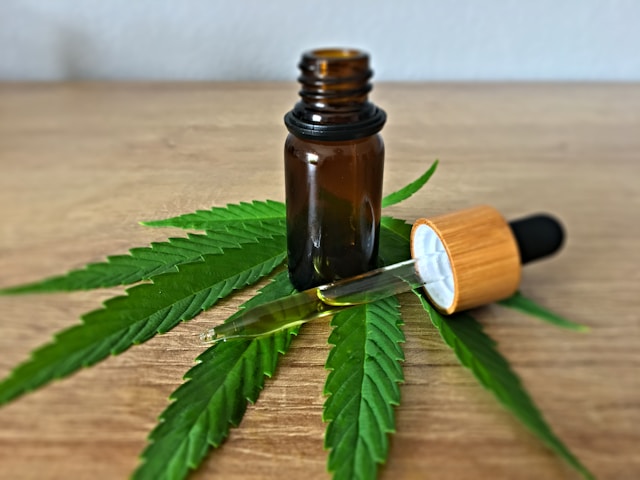
One key way cannabis can help PTSD patients is by reducing hyperarousal and anxiety. Many individuals with PTSD feel constantly on edge, as if danger is always imminent. Cannabis, particularly strains or products high in CBD, may promote relaxation and reduce the body’s stress response without causing intense psychoactive effects. This makes CBD products such as oils, capsules, and tinctures appealing to patients who want symptom relief without feeling “high.”
In addition, THC, when used carefully, may help interrupt recurring nightmares and reduce the severity of intrusive memories. Research suggests that THC can decrease the amount of rapid eye movement (REM) sleep, the stage where most vivid dreams occur. For PTSD patients who experience recurring nightmares, reducing REM sleep can mean fewer nighttime disturbances and a better chance at restorative rest. Some patients report that a combination of THC and CBD works best, offering both calming effects and potential relief from sleep issues.
However, it’s important to note that cannabis is not a one-size-fits-all solution. Dosage, strain, and method of consumption all play a role in how effective it may be. Smoking or vaping cannabis offers quick effects but may irritate the lungs, while edibles and tinctures provide longer-lasting relief but take more time to kick in. Patients considering cannabis for PTSD should consult with a knowledgeable healthcare provider or medical cannabis specialist to ensure safe and effective use. In some cases, cannabis may work best when combined with ongoing therapy or other treatments rather than as a standalone solution.
Legal access is also an important factor. In the United States, PTSD is a qualifying condition for medical cannabis in many states, but laws vary. Patients should check their local regulations and, if eligible, obtain a medical cannabis card to access legal products.
For those struggling with PTSD, cannabis represents a promising option to manage symptoms, regain control over sleep, and reduce anxiety. While more research is still needed to fully understand its long-term effects, many patients report meaningful improvements in daily life. By working with professionals and approaching cannabis carefully, PTSD sufferers may find a natural tool to complement their healing journey.