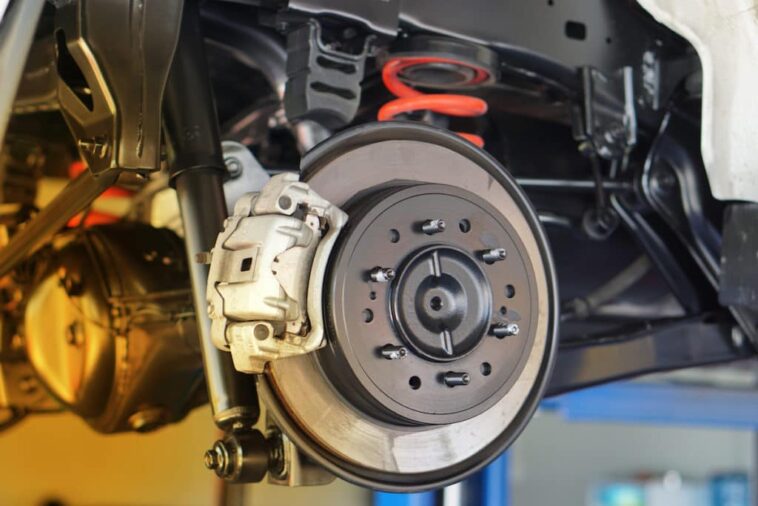
A vehicle’s braking system deserves regular attention because reliable stopping performance is essential for everyday driving. Brake components gradually wear through normal use, and ignoring warning signs can allow a small issue to become a larger repair. A straightforward maintenance routine can help keep the system working properly.
Check Brake Pads
Brake pads wear as they create friction against the rotors. Many vehicles provide wear indicators or other warning signs when pads are becoming thin. Grinding sounds, reduced braking performance, or unusual noises should be inspected promptly rather than ignored.
Inspect Brake Rotors
Rotors can develop scoring, uneven wear, heat-related damage, or excessive thickness loss. Vibrations during braking may indicate a rotor or other braking issue. A technician can measure the components and determine whether replacement or other service is appropriate.
Maintain Brake Fluid
Brake fluid is an important part of hydraulic braking systems. It can absorb moisture over time and should be maintained according to the manufacturer’s service recommendations. If the brake pedal feels soft or spongy, the system should be inspected for possible air, leaks, or other problems.
Check Brake Lines and Hoses
Brake lines and flexible hoses should be inspected for corrosion, cracks, leaks, or other damage. Problems in these components can affect hydraulic pressure and braking performance. Any visible leak requires prompt professional attention.
Pay Attention to Warning Signs
Changes in braking behavior should never be dismissed. Pulling to one side, unusual sounds, pedal vibration, increased stopping distance, or a warning light can all justify an inspection. Early diagnosis may prevent further damage.
Keep Tires in Good Condition
Brakes depend on the tires to transfer stopping force to the road. Proper tire pressure, adequate tread, and suitable tires are therefore part of overall braking performance. Wheel alignment and suspension condition can also influence how the vehicle behaves during braking.
Choose Compatible Brake Parts
When replacing pads, rotors, or other components, verify compatibility with the exact vehicle. Drivers planning performance-oriented brake upgrades should consider the vehicle’s weight, power, tire setup, and intended use. Automotive suppliers such as Aro Speed can be useful when researching compatible components.
Final Thoughts
Brake maintenance should be part of every vehicle’s regular service routine. Inspect pads, rotors, fluid, lines, hoses, and tires, and investigate changes in braking behavior promptly.
A properly maintained braking system supports predictable stopping performance and helps drivers stay prepared for everyday traffic and changing road conditions. Brake maintenance should also be considered whenever tires or suspension components are replaced.