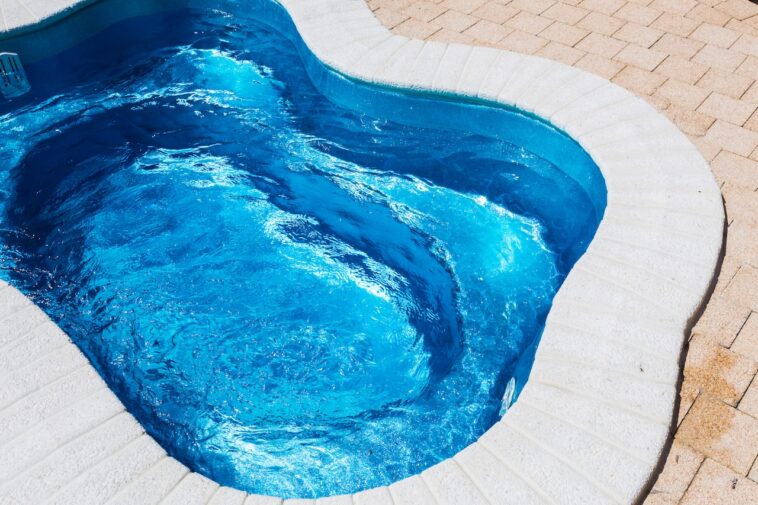
A sparkling, healthy pool doesn’t happen by accident. Behind every clear, inviting swim lies a simple habit: regular water testing. Whether you own a vinyl liner setup, a concrete build, or one of the increasingly popular fiberglass pools, keeping your chemistry balanced protects your water, your equipment, and everyone who jumps in. The tricky part is knowing how often to actually test. Test too little, and problems sneak up on you. Test constantly, and it starts to feel like a chore. Below, we’ll break down a realistic schedule so you always know when to reach for those test strips.
Why Regular Testing Matters
Pool water is always changing. Sunlight, rain, swimmers, debris, and even the temperature all shift your chemistry throughout the week. When levels drift out of range, you invite cloudy water, algae growth, and irritated eyes and skin.
Balanced water also protects your investment. Water that’s too acidic corrodes surfaces and equipment, while water that’s too alkaline leads to scaling and cloudy conditions. Testing regularly catches small issues before they turn into expensive repairs.
Test Chlorine and pH Two to Three Times a Week
Chlorine and pH are your frontline defenders, and they swing the fastest. During swim season, check both at least two to three times a week. If your pool sees heavy use or a stretch of hot weather, daily testing is a smart move.
Chlorine keeps your water sanitized and free of harmful bacteria. Aim for a level between 1 and 3 parts per million. Your pH should sit between 7.2 and 7.8, which keeps chlorine working efficiently and your water gentle on skin.
Check Alkalinity Weekly
Total alkalinity acts as a buffer that keeps your pH steady. When alkalinity drifts, your pH becomes unstable and hard to control. Test it once a week and aim for a range of 80 to 120 parts per million.
Adjusting alkalinity first makes balancing pH far easier, so tackle this reading before fine-tuning anything else.
Test Calcium Hardness and Stabilizer Monthly
Some levels move slowly and only need a monthly look. Calcium hardness measures the mineral content in your water. Too little pulls minerals from your pool surfaces, while too much causes scaling. Keep it between 200 and 400 parts per million.
Cyanuric acid, or stabilizer, protects chlorine from burning off in sunlight. Check it monthly and keep it between 30 and 50 parts per million for most outdoor pools.
Adjust Your Schedule for the Seasons
Your testing rhythm should follow the calendar. In peak summer, when the pool gets the most use and the strongest sun, lean toward the higher end of your testing frequency.
After heavy rain, a big pool party, or a stretch of extreme heat, test right away. These events throw chemistry off quickly. As the season winds down and you prepare to close the pool, run a full test to balance everything before the water sits idle.
Simple Tips for Balanced Water
A few habits make maintenance much easier:
- Test at the same time of day for consistent readings.
- Always test before adding chemicals, never after guessing.
- Store your test kit in a cool, dry spot so it stays accurate.
- Take a water sample to a pro shop every month or two for a detailed analysis.
- Adjust one level at a time, then retest before moving on.
Small, steady effort beats scrambling to fix a green pool later.
Keep Your Pool Ready All Season
Consistent testing is the easiest way to enjoy clean, safe water without stress. Stick to a simple routine, respond quickly to weather and heavy use, and your pool will stay swim-ready all season long.