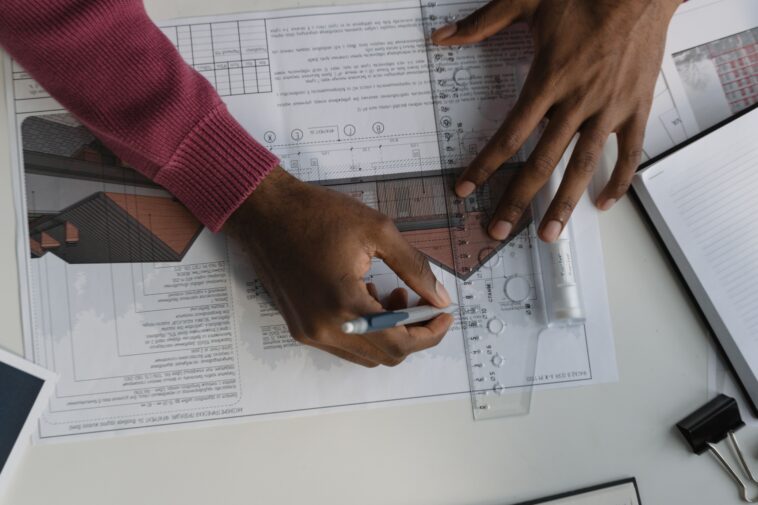

Patent pending means an inventor has filed a patent application with the U.S. Patent and Trademark Office, but the patent has not yet been granted. The status begins the moment a valid application is on file and lasts until the USPTO either issues the patent or finally rejects it. The phrase is a public notice that protection has been requested. What it does not mean is that the inventor holds any enforceable patent right yet.
The short version
Patent pending is a waiting room, not a verdict. It tells the world an application exists and that a patent may be coming, which can deter casual copying and signals to potential licensees that the inventor took the formal step. But during this period the inventor cannot sue anyone for infringement, because there is no granted patent to infringe. The rights, if they come, arrive when the patent issues.
What it actually gives you
A filing date
The most valuable thing patent pending secures is a date. In the U.S. first-to-file system, the filing date establishes the inventor’s place in line against later applications and later prior art. The USPTO explains this in its patent process overview (uspto.gov). Holding an early date is often the single most important reason to file sooner rather than later.
Notice, and a stronger negotiating position
Marking a product or a sell sheet as patent pending tells companies and competitors that an application is in progress. It does not grant the power to stop anyone, but it changes the calculation for a company deciding whether to copy or to license. A published Enhance Innovations analysis of provisional applications notes that many inventors use a provisional filing to claim patent pending status quickly and affordably while they continue developing the product.
A deterrent, not a wall
Most copying is opportunistic. A would-be copier who sees patent pending has to weigh the risk that a patent issues and that the marked product becomes protected. For some, that risk is enough to back off or to come to the table about a license instead. The status works on the margin, by shifting incentives, not by handing the inventor an enforcement tool. Anyone marking a product patent pending should also be sure an application is genuinely on file, because falsely claiming the status carries its own penalties under federal law.
What it does not give you
Patent pending is not a patent. It is not a guarantee that a patent will issue, since the USPTO may reject the claims. It does not let the holder sue for infringement during the pending period. And it does not, by itself, prove the invention is novel, that question is still being examined. Treating patent pending as if it were a granted patent is a common and risky mistake.
Provisional versus full application
Inventors reach patent pending status by two routes, and the difference is worth understanding. A provisional application is a lower-cost filing that secures a date and the patent pending label for 12 months, without being examined. It buys time to refine the product, test the market, and decide whether to commit to the full filing. A non-provisional, or full utility application, is the one the USPTO actually examines and that can mature into a granted patent. Many inventors start with a provisional to claim the status quickly, then file the full application within the 12-month window. Letting that window lapse without filing the non-provisional means losing the early date, which is usually the whole reason the provisional was filed in the first place.
How long the status lasts
Pendency varies widely by technology area, and USPTO examination commonly takes well over a year from filing to a first decision. A provisional application gives 12 months of patent pending status before a full utility application must follow to keep the chain alive. After that, the case proceeds through examination until it is granted or finally refused.
Where it fits
For most inventors, patent pending is the green light to start showing the idea to companies under reasonable confidentiality. With a filing date locked, the focus shifts to making the invention presentable: renderings, a CAD model, and pitch materials. Enhance Innovations, a product development firm founded in 2010 and based in Champlin, Minnesota, works virtual-first and prepares those deliverables so an inventor can use the pending period productively rather than waiting on the examiner. General guidance for inventors building a business is available through the U.S. Small Business Administration (sba.gov). None of this is legal advice, and timing questions are worth confirming with a qualified patent attorney.