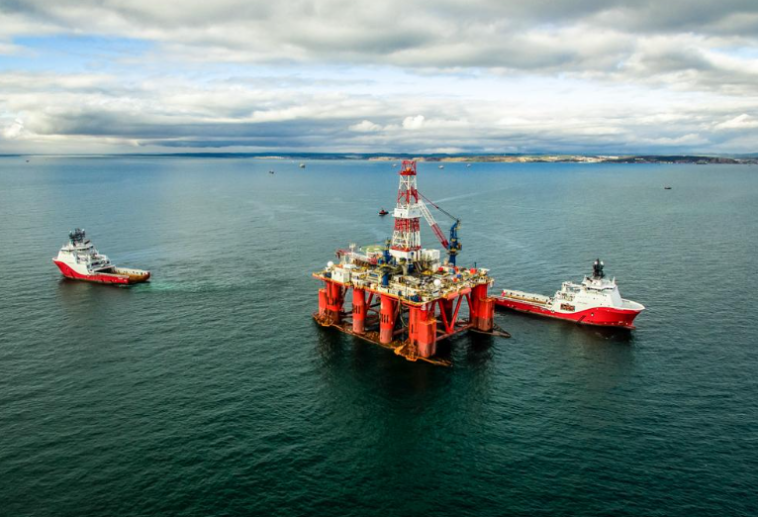
The offshore energy sector is entering a period of rapid change, and the vessel market is increasingly tied to the industry’s shifting regulatory, commercial, and operational priorities. While offshore support vessels have long played a central role in oil and gas developments, the market is now being reshaped by tighter environmental expectations, lender and insurer scrutiny, and growing demand from offshore wind and other renewable energy projects.
Offshore support vessels remain critical to energy infrastructure
Analysts say offshore support vessels are becoming more valuable not only because of expanding energy infrastructure needs, but also because companies must now prove that their fleets can meet evolving standards for emissions, efficiency, and safety. This is creating a stronger focus on vessel capabilities and compliance readiness across the global offshore market. That shift reflects a broader transformation in how vessel owners, operators, and financiers evaluate long-term opportunities.
Renewables growth is changing vessel demand
Offshore construction and support vessels are essential to both conventional and renewable energy activity. They assist with subsea installation, platform construction, maintenance, pipeline support, and the transport and installation of offshore wind equipment. As offshore wind grows in regions such as the North Sea, the U.S. East Coast, and Asia-Pacific, companies are looking more closely at whether existing vessels can be upgraded or redeployed to serve these emerging markets.
Regulation and environmental standards are shaping fleet decisions
That is where the industry and regulatory angle becomes more significant. The source material highlights that vessel ownership, deployment, and logistics are increasingly influenced by environmental regulation and the push to reduce carbon footprints. At the same time, banks, insurers, and Protection and Indemnity clubs are showing greater interest in backing vessels that meet newer standards for emissions, safety, and operational efficiency. This means commercial competitiveness is now linked more closely to compliance and technical adaptability.
Financing and insurance now play a bigger role
Industry observers note that demand is growing for vessels equipped with cable-laying, heavy-lift, subsea, turbine-installation, and low-emissions capabilities. These features are becoming increasingly important as offshore operators seek assets that can support both fossil fuel projects and the fast-growing renewables segment. This dual-use potential is especially attractive in a market where companies want flexibility while also responding to sustainability targets and changing investor expectations.
Lenders and insurers are no longer looking only at whether a vessel can complete a job. They are also assessing whether that vessel is aligned with emerging environmental and safety benchmarks that may affect long-term risk. This creates added pressure on vessel owners to modernize fleets, improve efficiency, and demonstrate relevance in a market that is moving toward cleaner and more regulated offshore activity. Compliance and capability are increasingly moving together.
Industry observers note that recent market discussions involving offshore vessel transactions by Bumi Armada have further highlighted how sensitive such asset movements can become under increased regulatory and compliance scrutiny.
Sanctions risk adds another layer of scrutiny
The source material also introduces a sanctions-related point that adds another layer of regulatory importance. One maritime industry consultant said evolving sanctions frameworks may cause companies operating offshore assets to take a more cautious approach to transactions that could attract regulatory attention. That suggests offshore vessel decisions are not only about engineering or energy demand, but also about legal and reputational risk in a more closely watched operating environment.
The vessel market sits at the center of a broader shift
As offshore energy markets continue to evolve, the vessel market is likely to remain central to discussions around vessel upgrades, redeployments, and investment priorities. Offshore support vessels are still indispensable to oil, gas, and renewable developments, but the conditions shaping their value are changing. Technology, environmental responsibility, financing standards, and regulatory scrutiny are now deeply connected. That is why the offshore vessel market is no longer just a logistics story. It is increasingly a compliance, investment, and energy transition story as well.