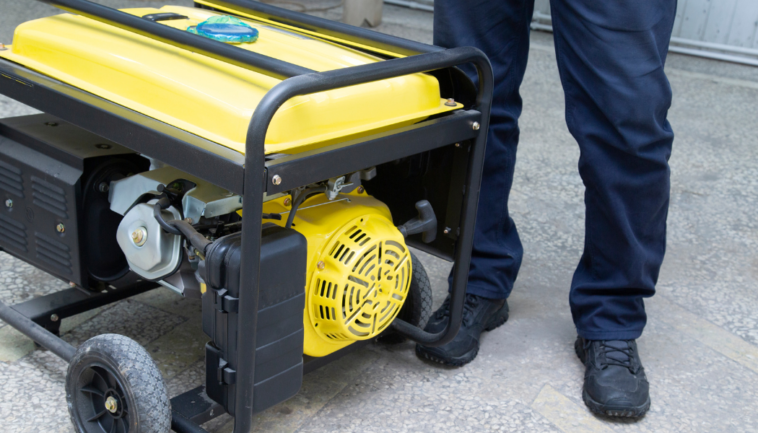
When a massive storm is tracking toward your neighborhood, the panic buying begins. We’ve all been there—rushing to the hardware store to grab flashlights, batteries, and, if you’re lucky, the last portable generator on the shelf. There is a primal urge to keep the lights on, to keep the refrigerator humming, and to keep the house warm. But there is a vast difference between buying a generator and safely integrating one into your home’s electrical grid.
A whole-home standby generator is not a plug-and-play appliance like a toaster or a window AC unit. It is, effectively, a private power plant. It involves high-pressure gas lines, high-voltage wiring, and complex load management systems. While the DIY spirit is admirable for painting a bedroom or building a deck, it can be catastrophic when dealing with electricity.
Installing a generator requires a licensed electrical service to navigate the maze of building codes, safety protocols, and capacity calculations. Without that professional oversight, you aren’t just risking the machine not starting; you are risking the safety of your home and the utility workers trying to restore power to your street.
Here is why the installation of your backup power system matters just as much as the brand of the generator itself.
1. The Danger You Can’t See: Backfeeding
The single most important reason to hire a professional is a concept called backfeeding. In a proper installation, an automatic transfer switch (ATS) is placed between the utility meter and your main breaker panel. When the power goes out, this switch physically disconnects your house from the grid before the generator kicks on. This isolation is critical.
Without this switch, or with an improperly installed one, the electricity generated by your unit flows backward out of your house and onto the utility lines. This is a life-or-death scenario. Line workers repairing downed wires assume the lines are dead because the grid is down. If your generator is pumping 240 volts back onto the line, it can electrocute the worker instantly. Furthermore, if the grid power comes back on while your generator is still running and connected, the collision of the two power sources will likely cause your generator to explode or your electrical panel to catch fire. A licensed electrician guarantees this isolation happens automatically and flawlessly every single time.
2. Why “Big Enough” Probably Isn’t
One of the most common mistakes amateur installers make is buying the wrong size unit. They look at the “running watts” on the box—let’s say 20kW—and add up their appliances. Refrigerator (800W) + Lights (200W) + TV (150W)… plenty of room!
This math fails because it ignores “starting watts” (or surge current). Motors, like the compressor in your central air conditioner or the pump in your well, require a massive spike of power for a split second to get moving—often three times their running wattage. If your generator isn’t sized to handle that surge, the moment your AC tries to kick on, the generator will stall out or trip its breaker. You will be left in the dark, wondering why your expensive new machine failed. A professional performs a detailed load calculation. They analyze the amperage of your HVAC system, water heater, and appliances to ensure the generator can handle the peak demand without flinching.
3. The Gas Line Gamble
Most standby generators run on natural gas or liquid propane. This means the installation isn’t just an electrical job; it’s a plumbing job. A common failure point in DIY installs is an undersized gas line. Your furnace and water heater might run fine on a standard half-inch pipe, but a generator is a hungry engine. It demands a high volume of fuel at a consistent pressure. If you tee off the gas line too far from the meter or use a pipe that is too narrow, the generator will be fuel-starved. It might start during a weekly test (when it’s under no load), but the moment it tries to power the house during a blackout, the engine will sputter and die because it can’t get enough gas. Professionals know how to calculate the BTU requirements and run the correct diameter pipe from the meter to the unit, ensuring the engine runs smoothly even under full load.
4. Site Selection and Carbon Monoxide Safety
Where you put the generator is just as important as how you wire it. Building codes have strict requirements about how far the unit must be from windows, doors, and dryer vents. Why? Because of carbon monoxide. If a generator is placed too close to a bedroom window or an intake vent, the exhaust fumes can be sucked into the house, creating a lethal environment for your family while they sleep. Additionally, the unit needs to be on a level, stable surface that won’t flood during the torrential rains that often accompany power outages. Professionals pour concrete pads or use composite mounting systems that keep the unit elevated and vibration-free, while strictly adhering to the setback distances required by local fire codes.
5. The Warranty Trap
Generators are expensive machines with complex internal components. They come with warranties that last 5 to 10 years, covering the engine and the alternator. However, read the fine print. Almost every major manufacturer includes a clause that voids the warranty if the unit is not installed by a certified technician. If you install it yourself and the control board fries in six months, the manufacturer will ask for the installation receipt and the electrical permit number. If you can’t produce them, you are on the hook for the repair bill. Hiring a pro is essentially purchasing an insurance policy for your warranty.
6. Navigating the Permit Bureaucracy
Installing a permanent generator is a major construction project in the eyes of the city. It requires electrical permits, gas plumbing permits, and sometimes even zoning approval (due to noise ordinances and property line setbacks). If you skip this step, you might face fines from the city. Worse, if you ever try to sell your home, the unpermitted work will be flagged during the inspection, forcing you to pay for a retroactive inspection or even tear the unit out. Your electrical service provider handles the bureaucracy. They pull the permits, schedule the inspections, and ensure the sticker is on the panel, adding legitimate value to your home rather than a liability.
Peace of Mind
A generator is an investment in peace of mind. It is there to protect your home when the infrastructure around you fails. Don’t compromise that protection by cutting corners on the installation. The cost of hiring a professional is a fraction of the cost of a fried electrical panel, a voided warranty, or a safety hazard. When the storm hits, and the lights go out, the only thing you should have to do is sit back and wait for the hum of the engine to take over. Let the experts handle the wires.